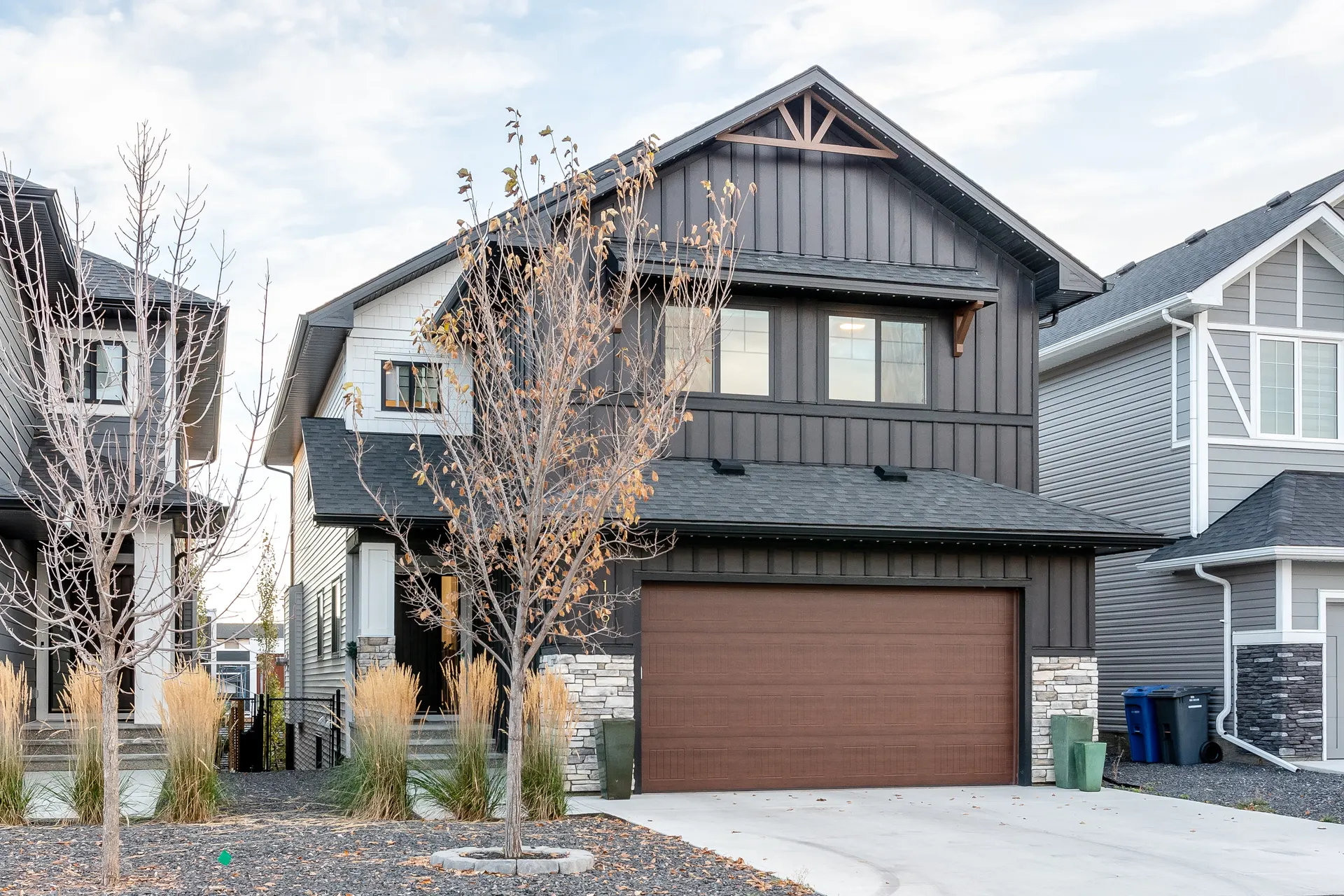
What would this home cost to own? What still needs checking? And does it fit the life you want after the move? Practical Calgary guides to help you compare, ask and decide.
You can love the house. And still ask the awkward questions.
The kitchen catches your eye. The yard, repair history and monthly bills help you understand the purchase. A careful second look brings those details together while there is still time to ask questions.
These guides explain what to look for, why it matters and what to do with the answer. Use the worked comparisons and visual journeys to prepare your shortlist, offer conversation or next meeting with an agent, lender, inspector or lawyer.
One has the finishes you chose. The other already has a fence, blinds and a finished yard. Here is how to compare what you actually get, what you still need to spend and when you can move in.
Low fees can be appealing. So can a freshly renovated lobby. Read the budget, repair plans and minutes together to understand what you would be taking on.
An extra few thousand dollars may look different once you factor in storage, temporary accommodation or the timing of your next purchase. Put the whole offer on the table.
Choose the situation closest to yours. Start with a few practical steps, then open the guide when you need the detail.
Buying a home
Start with a payment you can live with.
A lender’s maximum and your comfortable monthly payment may be very different. Leave room for tax, insurance, repairs and the life you want to have after the move.
Confirm lender limits, cash to close, and a payment you can sustain.
Compare the homes you could actually buy in your price range.
Leave time in the agreement for the checks this home needs.
The photos get you through the door. The less glamorous details tell you whether you will be happy living there. Start with the routines you already have, then look at what this particular address would change.
Calgary’s Centre Street Bridge and Bow River. Location photograph, not a property listing.
01 / The drive you will actually make
Try the commute before you buy the kitchen.
A weekend drive tells you very little about getting from a front door to a desk by 8:30. Try your route at the time you would use it, including the school or childcare stop. If transit matters, walk from the house to the stop; a pin near a station can hide an awkward crossing or a long walk.
Compare exact addresses in your shortlist. A move within the same quadrant can change your daily route more than the community name suggests.
Spend a few quiet minutes in the bedrooms and backyard. Notice traffic, mechanical equipment and the relationship to neighbouring homes. Open the garage and check whether your vehicle, bikes and bins would fit together. Look at where snow would go after shovelling the driveway.
A showing cannot replace an inspection. It can help you spot the questions worth taking to one—and the compromises you would be making every day.
Window coverings, fencing, moving and an older furnace do not make exciting listing photos. They still compete for the same cash as your down payment. Separate things you want to change from things that need attention soon, and get quotes for the expensive unknowns.
Two homes at the same asking price can leave you in very different financial positions after possession.
An agent's value becomes easier to judge when you can see the thinking and the work. Use these expectations in the interview, then confirm what is included in the service.
A comparison you can follow.
You see the relevant sales and current alternatives, with the important differences explained. You understand why the recommendation fits this property and your budget.
Questions turned into a plan.
The open items have a person responsible and a date. You know what the lender, inspector, reviewer or lawyer still needs to establish before your decision.
Advice that includes the trade-offs.
The conversation covers costs, uncertainty and the reasons to keep looking as well as the reasons to proceed. You can ask what would change the recommendation.
A working relationship you understand.
Before hiring, confirm who does the work, how urgent questions are handled, and the written services, fees, term and cancellation provisions.
Keep exploring
Know where to look next.
Go directly to the specialist guide, comparison or research tool that supports your next decision. Some linked resources share ownership or commercial relationships with this site. Verify property details against the official sources provided.
Ask for the complete contract, deposit protection, inclusions, GST treatment and delay terms before paying. A nearby permit or a showhome is not proof that your home or its amenities will be completed on schedule.
Compare the actual corporation's documents, insurance, reserve study and upcoming work. A building profile, low fee or newer completion year does not establish financial health.
Check rental income and whether the use is permitted.
Separate advertised rent from signed leases and lawful use. Verify suite records, occupancy, insurance, financing, expenses and tenancy obligations; test a vacancy and repair scenario before relying on projected cash flow.
Tell us what you are planning. Your location, property type, goals and timing help guide a suitable agent introduction.
Share a few details about your plans.
Your request is reviewed for fit and availability.
Decide whether to speak with the suggested agent.
Introductions are drawn from participating professionals, not a ranking of every agent. You choose whether to proceed. Confirm services, fees and any referral arrangements before hiring.