The visual guide / 01
Compare the first year, not just the sticker price
The particular home matters more than the label “new” or “resale”.
Concept sketch only. Compare what is actually finished and included in each home.
- 01
New construction
Included specification · upgrades · unfinished yard or basement · completion terms · warranty details.
- 02
Recent resale
Existing finishes · completed landscaping · wear and repairs · available records · transferable coverage.
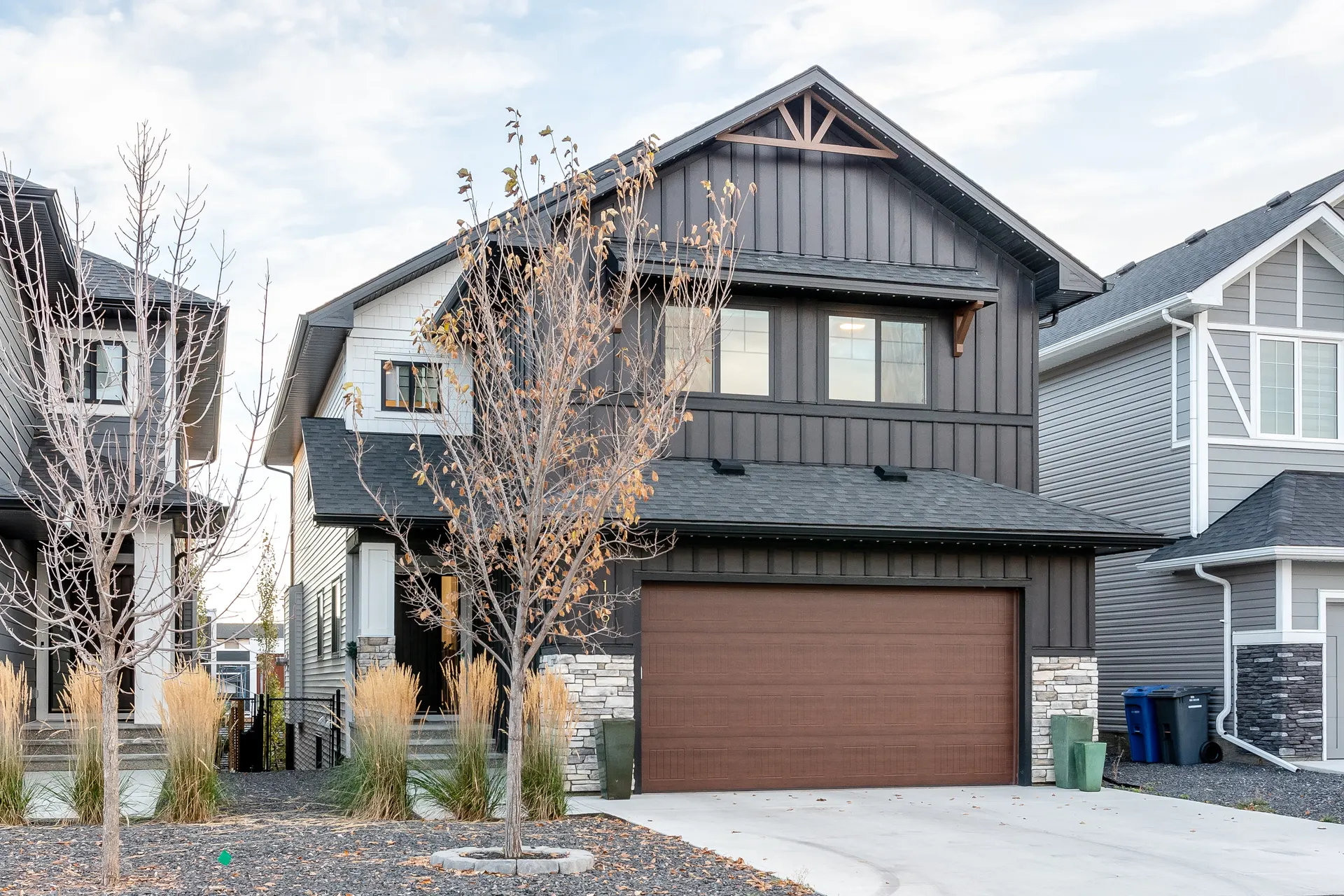
Compare the actual home with the actual home
Take the specification sheet through the showhome room by room. Mark what is included, what is upgraded and what belongs only to the display home. Ask for the price of the actual lot and specification you would buy, with the written inclusions and relevant adjustments explained.
For the resale, make the same inventory: appliances, air conditioning, blinds, garage, basement, fencing and landscaping. Check condition and records. Recently built tells you when construction happened; it does not tell you what is finished, maintained or included today.
Put the two real properties beside each other. If one option is still an estimate or an incomplete specification, label it that way. You cannot make a reliable total-cost comparison while one column quietly includes features the other leaves out.
Put the unfinished work beside the purchase price
List the work you would actually undertake in the first year and obtain quotes where possible. A fence, window coverings and landscaping can arrive as separate bills after possession. Decide which work is essential immediately and which could wait.
Give incomplete information a visible place in the comparison. “Quote pending” is more useful than a convenient guess. Include temporary housing, storage or overlap if completion timing would affect your move.
Worked example
Compare the home you can buy, not the showhome
Check what exists in the community today
Drive the route using the roads open today. Visit the nearest operating shops, walk the actual path to transit and check current school information with the board. In a developing community, a future amenity can be welcome context without being available for your first years there.
Ask about nearby construction and read current municipal application information if adjacent change matters to you. Consider where trades, equipment and visitor vehicles are likely to be while the area is being completed. Judge the actual street and your routines alongside the finished-home photographs.
Read the purchase terms and warranty records
New-home contracts may have different deposit, completion, delay, inspection and deficiency provisions from a resale agreement. Ask who represents you and arrange independent advice before signing. Confirm builder licensing and warranty registration through the responsible Alberta records.
For a recent resale, ask for the original completion date, warranty information, reported deficiencies and work completed. Remaining coverage depends on the actual records and terms. Have the property inspected and ask what the warranty does and does not cover.
Choose with the first year of ownership in view
Make a one-page comparison with five lines: complete purchase cost, first-year work, monthly ownership cost, move-in timing and important unresolved questions. Keep builder terms and a resale agreement separate for proper review; similar homes can be purchased under different obligations.
The better fit may be the home that leaves you enough money and time to settle in comfortably. It may also be the one whose compromises you prefer. Ask your agent to explain the comparison and bring legal, warranty and technical questions to the appropriate advisers before committing.
Ask the builder to mark the included specification against the showhome features you liked. Then take that list to the resale showing. It is easier to compare actual cabinets, appliances and outside work than two broad labels, new and nearly new.